
Resound Smoky Power Dome Trial Pack
4.2Editor score
Three sizes in one trial pack
Includes portable storage case
Power-dome seal for stronger output
Hearing Aid Domes guide comparing ten options for fit, size, venting, compatibility, comfort, and hygiene to help you choose the right replacement tips.
Hearing aid domes are small silicone or foam tips that connect a hearing aid receiver or tube to the ear canal. A suitable dome affects comfort, sound quality, feedback control, and everyday consistency, making model, size, and venting far more important than the number included in a pack.
The products in this guide were compared using their supplied specifications, including device compatibility, dome style, dimensions, material, pack quantity, venting, and recommended replacement guidance. The list covers Oticon, ReSound, Phonak, Unitron, Jabra, and several universal or broadly compatible options for behind-the-ear and receiver-in-canal systems.
Each review explains who the domes may suit, which details deserve attention, and where the product information leaves room for confirmation before purchase. Ratings and product details can change, while availability and current prices fluctuate, so shoppers should verify the listing and confirm compatibility with their hearing aid model before ordering.
4.2Editor score

4.8Editor score

4.5Editor score
This side-by-side comparison highlights the distinctions that matter most: intended hearing aid platform, dome construction, available size, pack quantity, and the balance between ventilation and sound sealing.


This Oticon-oriented double-vent dome earns the Editor's Choice position with a 4.8 rating, the strongest score among the ten products. It combines a twenty-piece supply, a venting format intended to reduce a plugged-ear sensation, and compatibility language that extends beyond one narrowly defined receiver. That makes it a strong candidate for users who want a practical replacement supply rather than a minimal trial pack.
We may earn a commission when you buy through this link, at no additional cost to you.
The most notable feature is the double-vent design. The supplied information describes the product as suitable for behind-the-ear, pocket, in-ear, and sound-amplifier devices using the relevant connection, giving it broader utility than a product named exclusively for one receiver platform. The silicone domes are suggested for monthly replacement because cerumen can accumulate behind them, making regular hygiene part of the intended use rather than an afterthought.
There is an important detail to verify before purchase: the title identifies the product as 8MM, while the supplied bullet text refers to 6mm double-vent bass domes. The title also describes the product as fitting Oticon hearing aids. Because dome diameter and receiver compatibility both affect whether the tip will attach and seal properly, purchasers should check the product page, their hearing aid manual, or their audiologist rather than relying on a single specification.
This is our best overall pick for buyers who use an Oticon-compatible device, recognize the double-vent format, and want a sizeable replacement supply. It is also worth considering for someone whose hearing aid uses a compatible standard tube or receiver and whose clinician has confirmed that a vented dome is appropriate. Confirming the exact size and connector before ordering will make the purchase more dependable.
A double-vent dome is intended to let air move through the tip while still supporting a more controlled sound path. For wearers who dislike the sensation of a completely blocked ear canal, that airflow can make the listening experience feel less stuffy during long periods of use.
Two packs provide a combined 20 domes, which suits users who replace tips regularly or want replacements readily available. Keeping fresh domes on hand also makes it easier to change one when it becomes soiled or no longer fits well.
We may earn a commission when you buy through this link, at no additional cost to you.
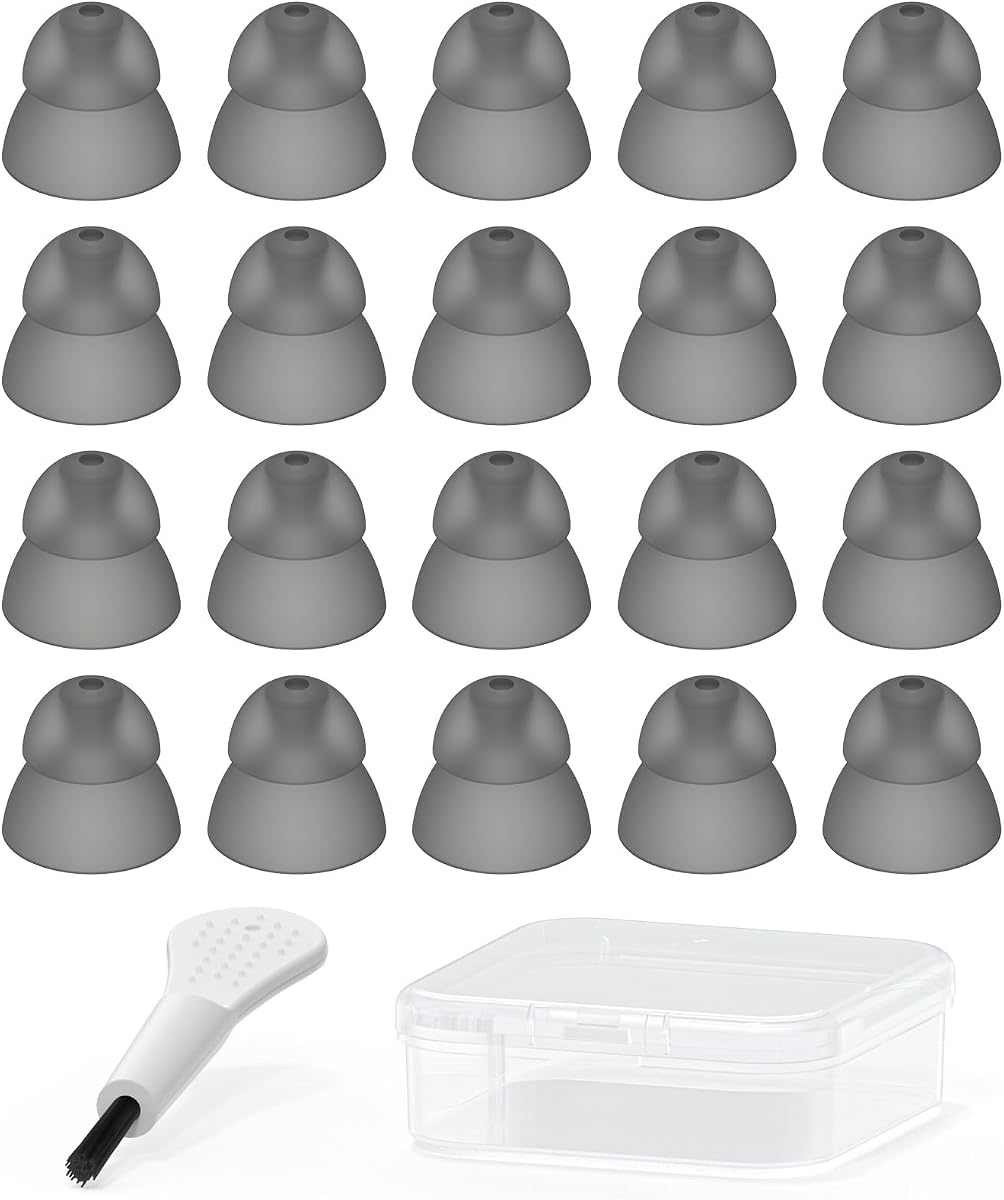
This nine-piece ReSound trial pack is the Best Budget selection in this guide, with a 4.2 rating. Its most practical distinction is that it includes three power-dome sizes—small, medium, and large—allowing a user to identify a better fit before committing to a larger single-size supply. A portable storage case is also included for convenient organization.
We may earn a commission when you buy through this link, at no additional cost to you.
The domes are described as flexible, hypoallergenic silicone tips for a smooth fit. They are compatible with ReSound LiNX2, LiNX3D, LiNX Quattro, and ENYA behind-the-ear models, including receiver-in-canal and open-fit tubing configurations. The power or double-dome format creates a stronger seal than an open tip and is generally positioned for users with moderate-to-severe hearing loss who benefit from more controlled amplified output.
The trade-off is that the pack contains only nine domes, the smallest quantity among the listed choices. That makes it better viewed as a fitting trial or short-term supply than a long replacement reserve. Buyers should also understand that the listed dimensions represent three choices rather than one universal size, so the dome selected after the trial should match the model and receiver configuration they actually use.
The pack is a sensible choice for ReSound users who are unsure whether small, medium, or large power domes will feel most comfortable. It is also attractive for anyone who wants a portable set and case while evaluating seal and comfort. Once the right size is identified, a larger single-size pack may be more economical for regular replacement.
Trying more than one size can prevent a poor fit that causes discomfort, poor retention, or inconsistent amplification. The small, medium, and large options provide a practical way to test fit before settling on one size.
Power domes create a more complete seal, which can direct amplified sound more efficiently into the ear. That sealed design may also reduce feedback compared with a poorly fitted open dome, although comfort and sound balance should still be confirmed with a hearing professional.
We may earn a commission when you buy through this link, at no additional cost to you.
This twenty-piece set of 8mm medium open domes has a 4.3 rating and stands out for its ventilation, pressure-balancing design, and unusually broad stated compatibility. It is designed for mild-to-moderate hearing loss and prioritizes a natural blend of environmental sound and amplified audio over the tighter seal associated with power domes.
We may earn a commission when you buy through this link, at no additional cost to you.
The top pressure-balancing hole is intended to reduce stuffiness and help prevent warm liquid cerumen from flowing directly toward the hearing aid receiver. The supplied information also gives the domes an IP54 rating for resistance to water and dust, making them suitable for outdoor activities and users who perspire during exercise. The soft, medical-grade silicone is described as lightweight and able to conform to the ear shape.
Compatibility extends across several ReSound families, including ONE, Omnia, LiNX Quattro, LiNX 3D, ENZO Q, Key, LiNX2, ENYA, and Verso. It also lists Jabra GN RIC and BTE models using standard slim tubes. Because the coverage is extensive but not universal, the exact receiver and tube system still need to match the specified connection method.
This is a compelling choice for someone who finds open power domes too sealed or uncomfortable and wants a breathable alternative. It may be particularly attractive for active users because of the stated moisture and dust resistance. Those who need stronger amplification and a tighter seal should consider a power-dome option instead, while new users should verify the fit with their audiologist.
The vented structure allows more natural environmental sound to enter the ear, which can make voices and surroundings seem less enclosed. This design is often easier for users who dislike the strong blocked sensation of a sealed dome.
The listed IP54 resistance and breathable construction address common concerns about moisture and debris. They do not make the domes waterproof, so they should still be protected from immersion and direct water exposure.
We may earn a commission when you buy through this link, at no additional cost to you.
This 10mm Oticon-oriented double-vent dome receives a 4.6 rating and is another well-regarded option for users who want a ventilated replacement supply. Like the first product, it contains two packs for a total of 20 domes and is described as compatible with a range of hearing aid arrangements, including behind-the-ear, pocket, in-ear, and sound-amplifier devices using the appropriate connection.
We may earn a commission when you buy through this link, at no additional cost to you.
Double venting is the defining feature. It gives the tip a more open acoustic path than a power dome and is intended to improve comfort by reducing the fully blocked sensation. The product information also gives a straightforward hygiene recommendation: replace domes about once a month because of cerumen buildup behind them, or sooner if they become dirty or damaged.
The primary concern is a discrepancy between the title, which states 10MM, and the supplied bullet text, which describes 6mm domes. A shopper should therefore treat the size as unconfirmed until checking the current listing and the physical markings on the hearing aid receiver. This same caution applies to compatibility because the Oticon name and broad device language do not guarantee that every connector is identical.
This product is best suited to an Oticon-compatible user who is looking for a double-vent design and a generous two-pack supply. It may appeal to wearers who want airflow but do not need the sealed power-dome format. Confirming the actual diameter and receiver fit is essential, and a clinician can help if the device is older or uses an unusual tube or adapter.
Double vents can provide a compromise between an open tip and a sealed power dome. They may provide better airflow and comfort while retaining a more defined connection than the most open styles.
Because the title and description refer to different measurements, buyers should inspect the product page carefully. A correctly sized dome should attach securely without forcing, while an incorrect size can compromise comfort and performance.
We may earn a commission when you buy through this link, at no additional cost to you.
This medium Phonak Power 4.0 dome is the Best Premium selection because it is presented as a genuine OEM Sonova replacement rather than a generic silicone substitute. Its 4.5 rating reflects a strong customer response, and the unusually detailed compatibility chart makes it especially useful for owners of supported Phonak, Unitron, Audicus, Hansaton, Costco, and Hidden Hearing models.
We may earn a commission when you buy through this link, at no additional cost to you.
The dome is intended for hearing aids using SDS 4.0 receivers, and the product information explicitly notes that different receiver-wire versions are incompatible. Supported platforms include Audeo Lumity, Marvel, Paradise, Bolero Marvel, Slim, Moxi Blu, Moxi Jump, Moxi Move Discover D, Discover Next DX RIC, Audicus Omni, Spirit, Wave, Hansaton Excite, Costco KS9 through KS11, and listed Hidden Hearing models.
As a power dome, it creates a more complete ear-canal seal. The supplied explanation says this can maximize amplification, enhance bass, and reduce feedback, which can be useful for severe hearing loss. The tradeoff is that greater bass and sealing may also make some sounds seem less sharp. The description recommends working with an audiologist because the most suitable dome depends on individual hearing needs and comfort.
The pack contains ten domes, fewer than many competitors. The description recommends replacement at least every two weeks or as needed, and more generally suggests changing domes every 15 days to no more than once a month. For someone who values exact OEM compatibility and a secure, powerful seal, that supply may be worthwhile despite the smaller count. The premium designation is based on the OEM component and detailed platform guidance, not a claim that it was personally tested.
A manufacturer component is designed around the dimensions, connection, and acoustic behavior of the supported system. That specificity can reduce uncertainty, but the SDS 4.0 requirement still makes the receiver version essential to verify.
A tight seal can improve output and feedback control while emphasizing lower frequencies. Wearers who prefer a brighter or more natural sound should ask their audiologist whether a sealed power dome is the right acoustic choice.
We may earn a commission when you buy through this link, at no additional cost to you.
This 9mm medium open dome carries a 4.5 rating and offers a generous twenty-piece supply for supported SDS 4.0 devices. It is described as suitable for medium to small ears, with ultra-soft, medical-grade silicone intended to reduce irritation during extended wear. The smooth edges and flexible construction make it a practical option for users who prioritize a gentle fit.
We may earn a commission when you buy through this link, at no additional cost to you.
Compatibility is listed for Phonak Audeo Lumity, Marvel, and Paradise; Unitron Moxi Blu, Moxi Jump, and Discover D or DX RIC; Audicus; Hansaton Excite; and Costco KS9 through KS11. The product specifies an SDS 4.0 three-pin connection, giving buyers a useful point of verification. As with any small component, a visually similar hearing aid may use a different receiver version, so compatibility should be confirmed rather than inferred from the brand alone.
The open design is intended to reduce the closed sensation and can make amplified sound blend more naturally with the wearer's surroundings. The supplied description also says it amplifies lower-frequency sounds, making it potentially appropriate for moderate hearing loss. An open dome generally provides less acoustic seal than a power dome, so users who need stronger output or more feedback control may need a different style.
This is an attractive pick for a current user of a listed SDS 4.0 system who wants open domes, a large supply, and a soft material. It may be especially suitable for smaller ear canals where the 9mm measurement is appropriate. Users should check the old dome, receiver marking, and manufacturer guidance before ordering to avoid a connector mismatch.
Medical-grade silicone with smooth edges can reduce pressure points compared with a harder or poorly shaped tip. Personal anatomy still matters, so comfort should be assessed after a full day of use rather than during only a brief fitting.
The open construction allows more sound to pass naturally, which may reduce the plugged sensation. It can also make the overall sound less powerful than a power dome, so individual auditory preferences should guide the final choice.
We may earn a commission when you buy through this link, at no additional cost to you.
This 7.5mm small-size dome offers a targeted option for wearers who need a compact replacement tip. It has a 4.5 rating and includes 20 domes, giving the set a useful balance between quantity and the smaller physical format. The listing identifies it as a Phonak 4.0 vented dome designed to work with SDS 4.0 receivers.
We may earn a commission when you buy through this link, at no additional cost to you.
The supplied description says the ergonomic design is shaped for a snug, comfortable fit. Its vented construction is intended to block more external noise than an open dome while amplifying low-frequency sound, making it relevant to users with moderate hearing loss. The silicone is described as skin-friendly and durable, with a design intended to preserve sound quality over regular use.
A 7.5mm dome is most relevant to a user whose previous fitting or manufacturer specification called for the same size. Smaller does not automatically mean more comfortable; a tip that is too small can be unstable, while one that is too large can create pressure. The connection style is equally important, and the product's supported receiver system should be confirmed with the device documentation or clinician.
This set is a solid choice for a compatible Phonak or Unitron user who has determined that the small 7.5mm size is appropriate. It is less attractive for someone who has not yet found the correct size, since it does not include a multi-size trial assortment. Confirming fit first can prevent both discomfort and a disappointing seal.
A small dome may be selected for a narrower ear canal or to reduce pressure and insertion depth. It should still sit securely and provide a stable acoustic connection, so prior professional fitting is valuable.
The vented 4.0 format is presented as a middle ground: more environmental blocking than a fully open style while retaining airflow. That balance can suit listeners seeking more low-frequency support without moving immediately to a fully sealed power dome.
We may earn a commission when you buy through this link, at no additional cost to you.
This medium open 4.0 dome earns a 4.6 rating and is a strong general choice for users seeking an open replacement tip with a broad compatibility list. It includes 20 domes across two packs and is presented as suitable for Phonak Audeo, Marvel, and Slim receiver-in-canal or slim-tube devices, along with Unitron, Audicus, Hansaton, and Costco models.
We may earn a commission when you buy through this link, at no additional cost to you.
The 9mm measurement is described as a medium size for small and medium ears. Its open design is intended to let natural sound filter through, dissipate lower frequencies, and provide a more natural overall sound for people with mild-to-moderate hearing loss. The skin-friendly material is described as durable and suitable for daily use, while the open format gives it a less enclosed acoustic character than a power dome.
The listing suggests replacing the domes at least every two weeks or as needed. This interval reflects a general hygiene guideline rather than a universal timetable, because wax, skin oils, moisture, and daily wear can cause a dome to require replacement sooner. Users should not stretch the interval simply to use up a pack if the tip is visibly soiled or no longer comfortable.
This product is a good fit for someone with a supported open-tip configuration who wants a generous supply and a natural sound balance. The word universal in the title should not be taken to mean interchangeable with every hearing aid: the connector and receiver design still have to match. A current dome and the manufacturer's dimensions are the safest references before purchase.
The product covers several major device families, but compatibility still depends on the specific receiver, tube, and dome interface. Comparing the replacement with the removed dome is often the most reliable way to avoid an incompatible purchase.
Open domes can be easier for people who dislike the pressure of a sealed tip. They may also provide a more natural balance of environmental and amplified sound, although this varies with hearing loss and programming.
We may earn a commission when you buy through this link, at no additional cost to you.
This ReSound open-dome set carries a 4.2 rating and combines a twenty-piece supply, three size options, and a portable case. It is compatible with ReSound LiNX2, LiNX3D, LiNX Quattro, and ENYA behind-the-ear models, including receiver-in-canal and open-fit tubing versions. That makes it a relevant option for multiple ReSound users who want a ventilated replacement tip.
We may earn a commission when you buy through this link, at no additional cost to you.
The perforated dome wall is designed to improve ventilation and produce a brighter sound than a tightly sealed style. Sizes are listed as 6mm small, 8mm medium, and 10mm large. Users are encouraged to choose according to the dimensions of their existing dome, and the product description recommends a trial pack when the correct size is uncertain. The included case makes it easier to keep the different tips organized and clean.
The domes are made from flexible, hypoallergenic silicone for a smooth fit. As with any open tip, the trade-off is that less sound is sealed in, so users who need stronger amplification or a more focused sound may prefer a power dome. If a current dome is the correct size, matching it is generally more useful than selecting by ear size alone.
This set is a practical option for supported ReSound devices and for users who want options before settling on a size. The 4.2 rating is not as high as the leading products, so customer feedback deserves attention before deciding. Nevertheless, the included sizes, case, and broad within-platform compatibility make it a useful replacement package.
Dome dimensions are often printed on the original component or visible in the replacement guide. Matching the existing diameter is generally more reliable than estimating from the ear canal.
Perforation supports airflow and a brighter acoustic character. This can improve comfort for users who find sealed domes too isolating, though it may not provide the same amplification control as a power dome.
We may earn a commission when you buy through this link, at no additional cost to you.
This 11.5mm ReSound power dome is designed for a more sealed listening experience and completes the guide with a 4.2 rating. It includes 20 domes and a portable case, and it is compatible with ReSound LiNX2, LiNX3D, LiNX Quattro, and ENYA behind-the-ear models using receiver-in-canal or open-fit tubing configurations.
We may earn a commission when you buy through this link, at no additional cost to you.
Power domes, also called double domes, create a stronger seal than open tips. The supplied information associates that design with moderate-to-severe hearing loss and a better control of sound. A more complete seal can improve the efficiency of amplified output and reduce feedback, but it may also amplify the feeling of blockage. The flexible, hypoallergenic silicone is intended to make that tighter fit more comfortable.
The listing gives three nominal choices: 10mm small, 11.5mm medium, and 13mm large, even though its title emphasizes 11.5mm. Buyers should verify the option received or selected and compare it with their existing dome. Correct size is essential for a power dome because a loose tip can weaken the seal and reduce the acoustic benefits, while an oversized tip can create pressure.
This set is best for a supported ReSound wearer who has already established that a power dome provides better sound or feedback control. The portable case is useful for travel and storage. Those who have never tried a sealed style should consider the smaller trial pack in this guide or consult a hearing professional before choosing a particular size.
A sealed power dome can help control leakage and feedback while directing more amplified sound into the ear. It is often considered when stronger low-frequency support or a more focused sound is desired.
The title identifies the medium size, while the general description lists several dimensions. Confirming the actual size and connector before ordering helps prevent an ill-fitting or incompatible tip.
We may earn a commission when you buy through this link, at no additional cost to you.
The best hearing aid dome is the one that connects securely, fits without pressure, suits the hearing aid model, and produces the sound balance the wearer prefers. Compatibility, size, venting, material, and replacement habits matter more than packaging alone.
Start with the receiver or tube system, not the brand name alone. Hearing aids within the same family may use different receiver versions, and a dome that looks similar may have a different attachment. Several products here specify SDS 4.0, standard slim tubes, or specific ReSound receiver configurations. The safest approach is to compare the replacement with the dome being removed and to check the hearing aid manual, product listing, or audiologist for the exact part number.
Dome diameter affects insertion, stability, comfort, and the degree of seal. The guide includes measurements from 7.5mm to 13mm, with each listing using its own naming system for small, medium, and large. Do not infer a size solely from the visible part of the ear. Compare the diameter printed on the current dome, check the manufacturer measurement guide, and avoid forcing a dome into the canal. A multi-size trial pack can be helpful when the correct size is uncertain.
Open domes allow more environmental sound through and generally feel less blocked. Vented domes provide a middle approach, while power or double domes create a more complete seal. Sealed styles can direct more sound into the ear, emphasize lower frequencies, and help manage feedback, but they may feel restrictive. The best choice depends on the hearing loss, hearing aid programming, sound preference, and advice from a hearing professional.
Soft silicone is the dominant material among these products, and several descriptions emphasize smoothness, flexibility, and hypoallergenic or medical-grade construction. A soft material can reduce pressure and irritation, although softness alone does not guarantee a good fit. Check for skin reactions, redness, soreness, or drainage after a new dome is fitted, and discontinue use while seeking professional guidance if irritation develops.
Occlusion is the blocked sensation some people notice when the ear canal is covered. Open and vented designs can reduce that feeling by allowing air and some natural sound through. Products with a top pressure-balancing hole are intended to improve airflow and help limit cerumen moving toward the receiver. A vented option may be more comfortable for long wear, while a sealed dome may provide a different, more amplified sound.
Pack sizes range from nine to 20 in the products supplied. A small trial pack can be sensible for discovering the right fit, while a 20-piece set is more convenient for regular changes. Published replacement guidance ranges from every few days to every two weeks, about every 15 days, and no more than about a month. These are general recommendations, and wax, moisture, skin oils, and wear time can make a tip dirty sooner. Replace it when it becomes soiled, damaged, loose, or uncomfortable.
The GN Resound open domes are the only option here with a stated IP54 rating for resistance to dust and water. That can be useful for exercise and outdoor routines, although the rating should not be interpreted as waterproofing or permission to immerse the domes. For all products, removing the tip before showering or swimming and storing it in a clean, dry case offers a more dependable way to preserve hygiene and shape.
A useful package is more than a large count. A trial pack with several sizes and a case can be more valuable than a large single-size box when fit is uncertain. An OEM component with a detailed compatibility chart may be worth more to a supported user than a generic dome with a higher count. Compare the total supply, included storage, supported platforms, material, and replacement guidance rather than relying on quantity alone.
Begin by confirming that the new dome matches the hearing aid model, receiver version, tube, connector, and required diameter. Wash your hands, remove the existing dome according to the hearing aid manual, and compare it with the replacement. If the connection looks unfamiliar, ask an audiologist or hearing aid provider rather than forcing the new component onto the device.
Attach the replacement dome by pressing it firmly onto the receiver or tube until it feels secure, following the device-specific removal and installation instructions. Do not stretch the receiver wire or push the dome deeper than the manual recommends. Check that the dome sits evenly, that it does not rub sharply, and that the hearing aid produces the expected sound after insertion.
Remove the dome for cleaning or replacement when it collects cerumen, becomes moist, loses its shape, cracks, or starts to irritate the ear. Follow the manufacturer or product guidance for cleaning materials, dry the dome thoroughly, and store it in the supplied case where applicable. Replace domes on the interval recommended for the device and personal wear, and seek professional advice for ear pain, drainage, persistent redness, or sudden hearing changes.
The most reliable method is to compare the new dome with the one already attached to the hearing aid. Look for a size marking or measure the diameter with a suitable tool if the original is unavailable. Manufacturer guides and audiologists can also confirm the correct size, especially for a power dome where a secure seal is important.
Neither style is universally better. Open domes allow more ventilation and natural sound into the ear, while power domes provide a tighter seal that can improve output and feedback control. The better choice depends on hearing loss, sound preference, comfort, and hearing aid programming, so trying more than one style can be informative.
The supplied product guidance ranges from every few days to about every two weeks, with some recommendations extending to no more than about a month. Actual replacement needs vary according to wax, moisture, skin oils, and wear time. Replace a dome sooner if it is dirty, damaged, loose, uncomfortable, or no longer performing as expected.
Only when the connector, receiver, tube, and dimensions truly match. Some products in this guide list support across Phonak, Unitron, Audicus, Hansaton, Costco, ReSound, Jabra, and Oticon-related systems, but the exact model still matters. Check the compatibility chart, compare the old dome, and confirm with the hearing aid manufacturer when uncertain.
A correctly fitted power dome can reduce feedback because its stronger seal limits amplified sound from escaping and re-entering the microphone. A poor fit, incompatible size, cracked dome, or incorrectly positioned receiver can have the opposite effect. If whistling persists, stop troubleshooting by trial and error and ask a hearing professional to inspect the device.
Dome size, venting, and seal all affect how sound travels into the ear. A power dome may emphasize bass and provide more output, while an open dome may make environmental sound more natural and reduce a blocked sensation. An audiologist can compare the options and help determine whether the change is desirable or indicates a fitting issue.
Most domes should be treated as moisture-sensitive even if their silicone feels water-resistant. The GN Resound open-dome product has a stated IP54 rating, but that still does not make it suitable for immersion. Removing domes before showering, swimming, or heavy moisture exposure helps preserve their shape and hygiene.
Remove it and stop using the affected dome until you can obtain guidance. Persistent redness, swelling, pain, drainage, or itching should be assessed by a hearing care professional, especially if the symptoms continue after switching to a clean compatible tip. Do not use a dome that is torn, hardened, contaminated, or visibly damaged.
The Oticon double-vent 8mm option is the strongest overall pick in this guide, combining the highest rating with a twenty-piece two-pack supply and broad device language. The ReSound Smoky Power trial pack is the practical budget choice for users who need to compare three sizes, while the genuine Sonova Phonak Power 4.0 dome is the premium option for supported SDS 4.0 systems.
Compatibility should come first in every purchase decision. Match the receiver, connector, tube, and diameter before comparing venting or pack size. Open domes may feel more natural and ventilated, power domes may provide a stronger seal, and intermediate vented styles can balance the two, but the best acoustic result comes from a dome that suits both the device and the wearer.
Finally, confirm the current product details before checkout because listing names, measurements, compatibility descriptions, and customer feedback can change. Availability and prices also fluctuate, and the supplied information should not replace advice from an audiologist. When the model is supported, the listed size is correct, and the intended venting matches the user's needs, replacing domes becomes a simple part of maintaining a comfortable hearing routine.