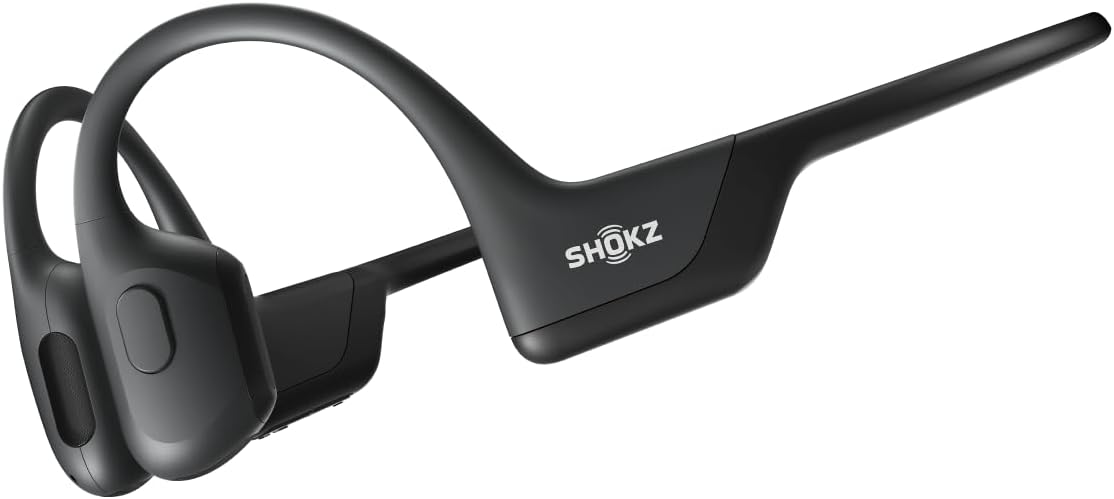
SHOKZ OpenRun Pro
4.5Editor score
PremiumPitch sound technology
Ten-hour mixed usage
Includes secure headband
Bone conduction headphones deliver sound through the bones around the ear rather than blocking the ear canal with conventional buds. That open-ear approach can improve comfort and situational awareness during running, cycling, commuting, and workouts, but the best model still depends on fit, sound quality, calls, battery life, and water resistance.
We compared ten bone conduction headphones using the specifications and feature information supplied for each listing. The guide covers flagship Shokz models, lighter alternatives, budget-friendly sport headsets, swimming-focused equipment, and options that emphasize Bluetooth connectivity, app-based controls, or adjustable listening positions.
Each review explains where the product is strongest, where its trade-offs may matter, and which listener is most likely to benefit. Ratings and specifications reflect the available product data, while features may vary by color, region, software update, and use. Current prices change frequently, so check the listing before purchasing.
4.5Editor score

4.3Editor score

4.7Editor score
As an Amazon Associate we earn from qualifying purchases.
The table below places all ten models side by side, emphasizing the features that most affect fit, sound, calls, battery life, and resistance to water or sweat.


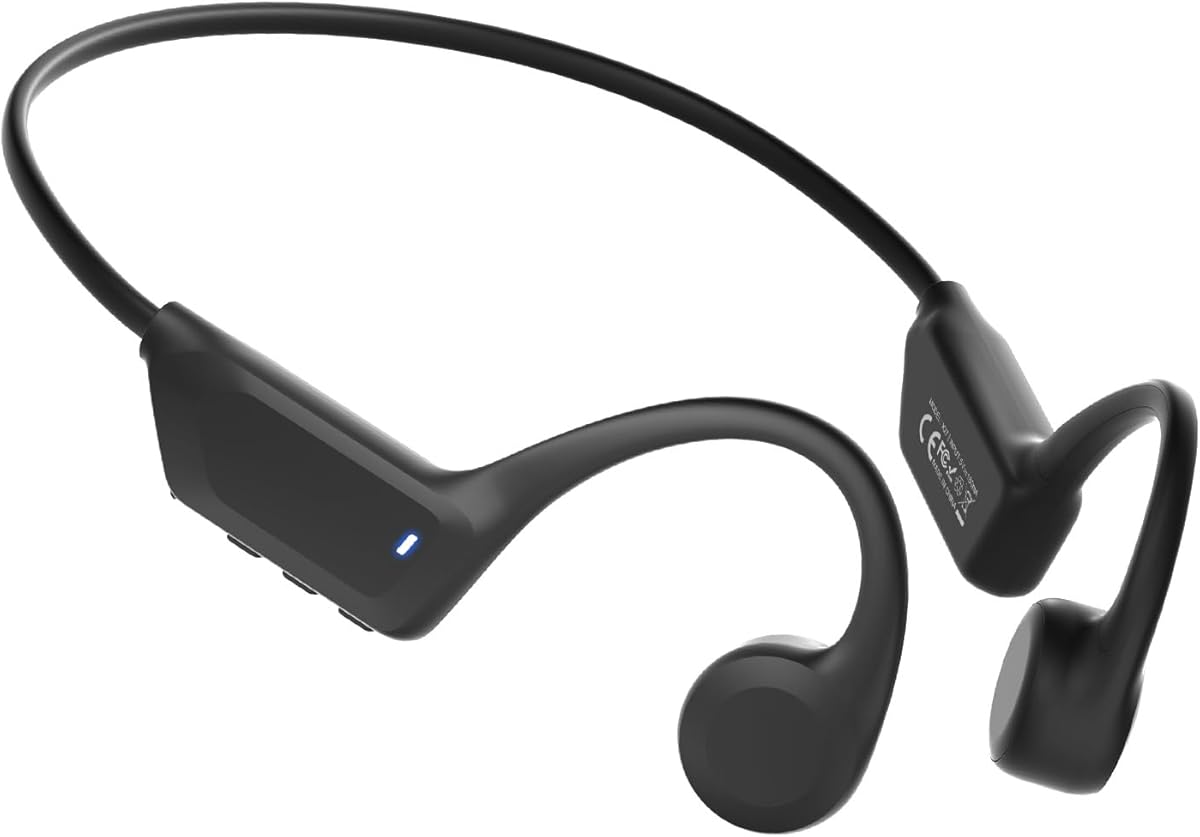

The SHOKZ OpenRun Pro 2 is a sport-focused open-ear headset with a 4.3 rating and a feature set that goes beyond conventional bone conduction. Its most distinctive element is the combination of bone conduction technology for clear highs with air conduction technology for added bass, creating a fuller presentation than a purely vibration-based design. It also offers 12 hours of advertised playback and a memory-wire frame designed to remain stable during exercise.
We may earn a commission when you buy through this link, at no additional cost to you.
Comfort is a central strength. The weight-optimized unibody frame and ergonomic ear hooks distribute the headset around the head rather than inside the ear canals, reducing the pressure associated with conventional earbuds. The open-ear design also helps listeners remain aware of traffic, training partners, and environmental sounds. For people who spend hours wearing headphones while running, cycling, or working, that combination of airflow and environmental awareness is more valuable than simply maximizing isolation.
The microphone system is another point of differentiation. Two wind-resistant microphones work with AI noise reduction, and the listing states that the system filters out 96.5 percent of background noise, including wind at speeds up to 15 miles per hour. That is a strong specification for calls made outdoors. Dedicated EQ modes in the Shokz App add flexibility, including Classic Mode for purer bone conduction and Volume Boost Mode for louder listening in busier environments.
The main trade-off is that even this hybrid approach may not satisfy listeners who expect the deep, isolated bass of large conventional headphones. Open-ear designs also allow some outside sound into the listening experience by design. Even so, the OpenRun Pro 2 offers one of the strongest overall combinations of audio, comfort, runtime, call handling, and active stability. It is a particularly good choice for runners, cyclists, and outdoor workers who need to remain aware while listening.
Its understated black styling also makes it suitable for commuting and office use, not only for workouts. Anyone who wants an established app ecosystem, adjustable sound, dependable physical controls, and a headset designed for high-motion activities should place this model near the top of their shortlist.
The dual-driver approach is the OpenRun Pro 2's defining feature. Bone conduction handles the clearer high-frequency information, while air conduction contributes deeper bass, giving music and podcasts more body without requiring sealed ear tips.
The unibody frame uses a nickel-titanium memory wire and shaped ear hooks to reduce shifting. Its open-ear layout leaves the canals unobstructed, making it well suited to long sessions and warm conditions.
We may earn a commission when you buy through this link, at no additional cost to you.
This open-ear sport headset carries a 4.8 rating and combines bone conduction audio with a flexible titanium frame. Its product information lists Bluetooth 6.0 in the title, a 29-gram weight, and an IP55 water-resistance rating. These characteristics make it look like a practical choice for people seeking a lightweight headset for running, hiking, cycling, and gym sessions without moving into the premium Shokz tier.
We may earn a commission when you buy through this link, at no additional cost to you.
The enclosed acoustic cavity is intended to reduce sound leakage by up to 50 percent, which is a meaningful concern for bone conduction headphones because the transducer sits against the skull rather than inside a sealed earbud. The open-ear format still supports awareness, allowing users to hear vehicles, conversations, and environmental cues while music plays. Its flexible frame is described as able to withstand stretching and bending without deforming.
The listing includes several inconsistencies that deserve attention. Its title mentions both Bluetooth 6.0 and eight-hour playtime, while the feature description mentions Bluetooth 5.4 and a battery of up to 10 hours. Rather than relying on either number, buyers should check the final specification on the listing, the packaging, and the product manual. The same care is warranted for the phrase "noise-cancelling feature," since the supplied information does not define it as active noise cancellation.
Those ambiguities are acceptable if the headset is chosen primarily for light exercise and commuting. The secure, lightweight frame, sweat resistance, microphone, and open-ear awareness are the central selling points. It may not be the first choice for demanding audiophiles, serious swimmers, or users who require fully documented call-processing performance.
This model is best for budget-conscious listeners who want a modern-looking open-ear sport headset, quick USB Type-C charging, and a high customer rating. Confirm connectivity and runtime details before checkout, and test the fit if possible because comfort and movement stability depend on head shape and activity intensity.
At a listed 29 grams, the headset places a relatively light structure around the head. Its flexible titanium construction and open-ear design are intended to remain comfortable through running, gym sessions, and outdoor movement.
The supplied title and bullets refer to different Bluetooth versions and playback totals. Buyers should verify the exact model details and compare them with their own device requirements before ordering.
We may earn a commission when you buy through this link, at no additional cost to you.
The PSIER Bone Conduction Headphones are an appealing budget-oriented option for runners and hikers. They have a 4.7 rating, weigh only 23 grams, and use a flexible memory-titanium frame intended to contour to the head. Their open-ear design keeps the ear canals clear while an adjustable strap helps accommodate different head sizes, a useful feature for buyers who struggle with wraparound headsets.
We may earn a commission when you buy through this link, at no additional cost to you.
Sound is produced through 13 mm bone conduction drivers rated at 90 dB sensitivity. The listing emphasizes crisp highs and detailed mids rather than the strongest possible bass, which is a reasonable trade-off in an open design. Up to 50 percent less sound leakage is claimed for the enclosed cavity, while Bluetooth 6.0 provides fast pairing, a stated 60-millisecond latency, and a reliable range of 33 feet.
Battery life is listed at up to 10 hours of music or podcast playback at 50 percent volume. Type-C charging takes about two hours, while standby time is stated at 200 hours. IPX5 protection handles sweat and sudden rain, although the product is explicitly not suitable for underwater use. These limits make it a better fit for land-based exercise than a swimming headset.
The Boean App adds adjustable EQ profiles, genre-based presets, AI-generated music, and real-time translation across 91 languages. Those extras are notable, although they may matter more to some listeners than to buyers who simply want stable open-ear audio. Bluetooth version and feature availability should also be checked for the specific unit being purchased.
The PSIER is a strong budget recommendation because it combines low weight, modern connectivity, solid customer feedback, and useful customization. Choose it when portability and value outweigh maximum bass, dedicated swimming support, or the more established Shokz accessory ecosystem. It is especially attractive for daily runners who want a featherlight headset with situational awareness.
A listed weight of 23 grams reduces the burden around the ears and forehead. The flexible frame and adjustable strap give the headset more opportunities to fit securely than a one-size design without adjustment.
The Boean App includes EQ presets and AI music tools, allowing users to shape the presentation without replacing the headset. Real-time translation is a potential convenience for travelers and multilingual users.
We may earn a commission when you buy through this link, at no additional cost to you.
The X7 MAX is the specialist choice in this group for swimmers and water workouts. Its 4.8 rating reflects a product designed to operate both on land and underwater. The defining feature is a switch between Bluetooth 6.0 and MP3 mode, allowing music to continue in the water without relying on a phone's wireless connection.
We may earn a commission when you buy through this link, at no additional cost to you.
Its IPX8 waterproof design withstands full submersion to five meters for as long as two and a half hours, according to the supplied information. That makes it meaningfully different from land-oriented bone conduction headsets with IPX5 or IPX7 ratings. Underwater use requires MP3 mode because Bluetooth signals do not function reliably in water, and the headset must be switched before entering the pool.
Up to 2,000 songs can be stored internally. The magnetic charging cable also provides access to a built-in USB memory, allowing songs to be copied from a computer. This arrangement is more involved than a standard wireless-only headset, but it gives swimmers independence from a phone, waterproof case, or armband.
The open-ear shape remains comfortable and stable, with soft silicone pads and an adjustable strap. Upgraded 14.2 mm dynamic drivers, an enhanced microphone system, and up to eight hours of continuous playback round out the feature set. One small point of confusion is that a heading refers to twelve hours of music while the detailed bullet states up to eight hours of continuous playback, so buyers should verify the exact runtime claim for their mode.
This is the clear choice for frequent swimmers, triathletes, and people who need audio during lap swimming. It is less convenient for someone who wants effortless phone-to-headset connectivity and does not plan to manage internal music files. For land use, it still works as a conventional Bluetooth headset, but the underwater capability is its defining advantage.
Internal storage and MP3 mode are especially valuable in a pool, where a connected smartphone may be impractical. Transferring files through the magnetic charging connection takes more preparation than pairing a standard Bluetooth headset.
The stated IPX8 protection supports full submersion under specified conditions. This makes the model more appropriate for swimming than most open-ear alternatives in the roundup.
We may earn a commission when you buy through this link, at no additional cost to you.
The SHOKZ OpenRun Air 2 is built for listeners who want a light, compact version of the established Shokz open-ear format. It weighs 26.4 grams and is described as more than nine percent smaller than its predecessor. Memory-alloy ear hooks are shaped to remain secure through running, jumping, and turning without adding bulky earpieces.
We may earn a commission when you buy through this link, at no additional cost to you.
Audio comes through PremiumPitch 3.0 bone conduction technology. The Shokz App provides four preset and two custom EQ profiles, giving listeners a way to adjust the sound without changing the physical transducers. Because the ear canals remain open, the headset also preserves awareness of surrounding activity, which is useful on roads, trails, and busy sidewalks.
Battery life is rated at 10 hours with Bluetooth 6.0, and a five-minute quick charge is said to add up to two hours of listening. Calls are handled through an optimized dual-microphone layout and AI-powered noise reduction. Physical buttons allow users to answer calls, alter volume, and change tracks directly, reducing the need to reach for a phone mid-run.
The IP67 rating provides protection against sweat, rain, and rinsing with water. It is explicitly not designed for swimming or underwater activities, so pool users should choose a purpose-built waterproof model instead. Its 4.1 rating is also lower than those of several competitors and the original OpenRun Pro in this list, suggesting that prospective buyers should compare current customer feedback carefully.
The OpenRun Air 2 is a sensible option for anyone prioritizing low weight, compact proportions, physical controls, and a mature app. It may not be the strongest choice for deep bass, underwater use, or users who prioritize maximum call performance. Within Shokz's range, it serves as the lighter sports-oriented option rather than the flagship hybrid model.
At 26.4 grams, the headset places little weight around the head. Shaped ear hooks help maintain stability without relying on the pressure of a sealed in-ear tip.
Buttons for calls, volume, and track changes are easier to operate during movement than a touch-only interface. They also remain useful when the headset is wet or when gloves make touch controls less precise.
We may earn a commission when you buy through this link, at no additional cost to you.
The orange SHOKZ OpenRun Pro 2 offers the same core technology as the black version in a more conspicuous color. It has a 4.3 rating and combines bone conduction for clear highs with air conduction for deeper bass. This hybrid arrangement gives it a fuller sound profile than many traditional open-ear sport headsets while preserving the awareness associated with wearing nothing in the ears.
We may earn a commission when you buy through this link, at no additional cost to you.
The headset supports 12 hours of advertised audio and includes dedicated EQ modes in the Shokz App. Classic Mode provides a purer bone-conduction presentation, while Volume Boost Mode is designed to make audio more audible in noisy surroundings. That flexibility is useful for people who alternate between running in quiet parks, commuting near traffic, and working in shared spaces.
Its unibody structure incorporates a nickel-titanium memory wire and ergonomic ear hooks intended to remain stable during gym workouts, running, and cycling. The open-ear format also avoids the insertion pressure of conventional earbuds. For longer sessions, this can reduce the sensation of blocked ears and improve airflow.
The call system is designed for active outdoor use. Two wind-resistant microphones and AI noise reduction are said to filter 96.5 percent of background noise, with wind addressed at speeds up to 15 miles per hour. While no headset can guarantee perfect clarity in every environment, these are useful specifications for buyers who regularly take calls outdoors.
This color option makes sense for buyers who prefer a sportier visual identity or want their headset to be easy to identify in a bag. Functionally, it is a counterpart to the black OpenRun Pro 2 rather than a different performance tier. It is best suited to active users who value fuller sound, long runtime, and environmental awareness but do not require true underwater listening.
Adding air conduction to the bone-conduction system improves perceived depth and impact. The result remains open and breathable, which is valuable during running and other active pursuits.
Classic and Volume Boost modes let users shift between a purer conduction profile and a more forceful presentation. This gives the headset flexibility across quiet and noisy environments.
We may earn a commission when you buy through this link, at no additional cost to you.
The Raycon Bone Conduction Headphones have a 3.9 rating and offer a distinctive adjustable design. Rather than fixing the earbuds at one position, the transducers can slide closer to the skull for greater volume or move outward to increase environmental awareness. That gives the user some control over the balance between immersion and awareness.
We may earn a commission when you buy through this link, at no additional cost to you.
The product is described as lightweight and ergonomic, with a wraparound structure intended for extended use. Its open-ear operation reduces the ear fatigue and irritation commonly associated with in-ear models. It is positioned for music, podcasts, and calls during running, gym visits, walks, commutes, and general daily activity.
An IP68 rating provides sweat, rain, and spill resistance, while the magnetic charging cable is designed to maintain a moisture-proof seal. That combination is well suited to active users who do not need a fully waterproof swimming device. The open-ear design also supports safer awareness of traffic and conversations, although it does not provide the noise isolation of sealed earbuds.
The product information specifically says the headphones perform best in everyday active environments rather than high-noise settings. That is an important limitation because an open-ear design must compete with environmental sound rather than blocking it. Users commuting beside heavy traffic or working in a loud office may want higher perceived volume and should consider models with volume boost or hybrid drivers.
The lower rating and less specific audio technology make this a more cautious recommendation than the leading Shokz models. Its strongest case is the adjustable fit and high stated water-resistance rating. Buyers who prioritize control over how much outside sound reaches their ears should compare it carefully with similarly priced sport headsets.
Moving the transducers changes both perceived volume and environmental awareness. This makes the headset useful for users who want different levels of immersion without removing it or switching devices.
The IP68 rating and moisture-sealed magnetic charger target demanding daily use. The headset remains unsuitable for swimming unless its documentation explicitly states otherwise.
We may earn a commission when you buy through this link, at no additional cost to you.
This Waterproof Open-Ear Bone Conduction Headphones listing has a 4.8 rating and appears aimed at runners, cyclists, hikers, and general fitness users. Its title emphasizes Bluetooth 6.0, long battery life, an ultra-light construction, and a stable wireless connection. Those are relevant priorities for open-ear sport headsets, where weight, continuity, and resistance to movement matter as much as sound fidelity.
We may earn a commission when you buy through this link, at no additional cost to you.
The open-ear format preserves awareness of the environment and avoids inserting transducers into the ear canal. That can make the headset more comfortable for long wear and less distracting during outdoor exercise. The supplied information is limited, however, so there is no documented weight, exact runtime, ingress-protection rating, driver size, microphone specification, or charging time to support a detailed technical comparison.
One especially important detail is the bullet stating "1 case of 30 Packs, 30 Count Total." This may indicate a multipack listing or a quantity-related catalog description rather than the contents of a single retail unit. The title and image should be checked closely before purchase to confirm how many individual headsets are included.
Because detailed specifications are absent, the strongest buying criteria are the customer rating, modern Bluetooth version, and stated sport-oriented construction. Confirm that the product supports your preferred devices, check whether a microphone and physical controls are included, and determine the exact water-resistance certification before exposing it to rain or pool water.
The headset can be recommended as a lightweight, high-rated open-ear option for basic workouts and outdoor listening, but with less confidence than products that provide comprehensive specifications. It is best for buyers who prioritize simplicity, modern connectivity, and awareness, and who are comfortable verifying the package details directly from the listing.
The title identifies an ultra-light open-ear format suited to active use. A wraparound structure can also reduce the chance that a headset will fall out during running or cycling.
The supplied bullet refers to 30 packs, while the product title describes one wireless headset. Checking quantity and included accessories can prevent an unexpected order.
We may earn a commission when you buy through this link, at no additional cost to you.
The CXK Bone Conduction Headphones have a 4.4 rating and combine an open-ear design with Bluetooth 6.0, app-based equalization, and a 28-gram titanium frame. They are positioned for workouts, commuting, outdoor activities, and everyday wear, offering a modern feature set in a compact open-ear format.
We may earn a commission when you buy through this link, at no additional cost to you.
The high-performance drivers are described as delivering clear, loud, balanced sound with rich detail. Because the transducers operate through bone conduction while the ears remain open, the presentation should be judged with environmental sound in mind. This design is particularly effective for podcasts, spoken content, and music during activities where users need to remain conscious of their surroundings.
Battery performance is advertised at up to 10 hours for music and calls. Magnetic charging replenishes the headset in about two hours. The IPX7 rating protects against sweat and rain, but the product is explicitly not suitable for swimming. That makes it suitable for runners and cyclists in ordinary weather, though not for pool sessions.
The Boean App provides adjustable EQ settings, enhanced bass, balanced-vocal profiles, genre-based options, and AI-generated music. These tools expand the range of sound customization without adding in-ear pressure. Users should confirm app compatibility and feature availability for the specific model and region before relying on them.
The CXK is a strong all-around choice for listeners who want modern connectivity, a light frame, and software customization. Its 28-gram weight is comparable with other sport-oriented headsets in the roundup. The trade-offs are the inherent limits of open-ear bass and the lack of underwater support, making it a better match for active daily listening than swimming.
Bluetooth 6.0 is positioned around faster pairing and dependable connections. That is valuable for users who move between exercise, commuting, and desk-based listening.
The app offers bass, vocal, and genre-oriented profiles that can make speech and music more satisfying. These controls are especially helpful in an open design where environmental sound affects perceived balance.
We may earn a commission when you buy through this link, at no additional cost to you.
The original SHOKZ OpenRun Pro has a 4.5 rating and a strong reputation as a premium sport headset. Its most recognizable feature is the combination of PremiumPitch and ninth-generation bone conduction technology, which produces clear sound, substantial volume, and richer bass than many conventional open-ear models. It remains a compelling alternative to the newer OpenRun Pro 2.
We may earn a commission when you buy through this link, at no additional cost to you.
A lightweight titanium frame wraps behind the head to keep the bud-free transducers stable during intense training. The included Shokz headband adds another layer of retention for runners or users whose hair interferes with the rear band. Since the earbuds do not enter the canal, the headset also reduces the irritation and pressure associated with prolonged in-ear use.
The open-ear approach keeps users connected to their surroundings, which is valuable around roads, trails, and shared workspaces. It also makes the headset less disruptive in conversations than isolated earbuds. The trade-off is that users hear more of their environment and may need to raise the volume in noisy locations.
Battery life reaches 10 hours across music, calls, and podcasts. A five-minute quick charge adds up to one and a half hours of use. The built-in microphone supports clear conversations, and magnetic induction provides the charging connection. Universal Bluetooth compatibility covers Android, iOS, Windows, and other enabled devices.
The headset is marketed as sweat resistant rather than suitable for swimming, so it should be dried carefully and kept away from prolonged submersion. It is best for athletes who want deeper sound than the latest Shokz models while retaining the brand's secure open-ear design. The included headband and strong 4.5 rating also help justify its place among the premium selections.
PremiumPitch technology emphasizes impact and bass while maintaining the clarity expected from an open headset. It is especially rewarding for music rather than only podcasts and spoken content.
The included headband helps keep the rear section from moving or catching in hair. This makes the OpenRun Pro a strong choice for runners who want fewer adjustments during long sessions.
We may earn a commission when you buy through this link, at no additional cost to you.
The right bone conduction headset depends on where you will use it, how much environmental awareness you want, and whether swimming, calls, or audio customization are priorities. The following factors help narrow the field before comparing comfort and technical details.
Water-resistance ratings are not interchangeable. An IPX5 model is intended to handle sweat and light rain, while IPX7 can withstand immersion under defined conditions. The X7 MAX goes further with IPX8 protection and supports underwater MP3 playback to five meters for up to two and a half hours. Shokz OpenRun Air 2 has an IP67 rating but is explicitly not for swimming, while the OpenRun Pro models and Raycon headset should be treated as sweat- and rain-resistant fitness equipment. Match the rating to the activity rather than assuming every water-resistant headset can be submerged.
Weight becomes noticeable over long sessions, particularly during running or cycling. The PSIER headset is listed at 23 grams, the OpenRun Air 2 at 26.4 grams, the CXK at 28 grams, and the generic sport model at 29 grams. The SHOKZ models use memory-alloy or titanium frames and ergonomic ear hooks for retention. Adjustable straps on the PSIER and X7 MAX add flexibility for different head sizes. Fit also affects the placement of the transducers, which influences both perceived volume and sound quality.
Traditional bone conduction is strongest in the mids and highs, which helps voices remain intelligible, while bass can feel less forceful than with sealed earbuds. The OpenRun Pro 2 addresses this with hybrid bone and air conduction, and the original OpenRun Pro emphasizes rich bass through PremiumPitch. Other models claim balanced or detailed output with enclosed cavities intended to reduce leakage. Always consider volume quality in a real environment: an open headset cannot isolate the listener from traffic, gym equipment, or nearby conversations.
The OpenRun Pro 2 advertises 12 hours of playback, while the OpenRun Air 2, PSIER, and CXK list up to 10 hours under their stated conditions. The X7 MAX lists up to eight hours of continuous playback despite a heading that mentions 12 hours. Runtime varies with volume, features, and call use, so compare the tested condition rather than only the largest number. Quick charging can be valuable: the OpenRun Air 2 gains up to two hours from five minutes of charging, while the original OpenRun Pro gains up to one and a half hours.
Microphone quality is difficult to judge from a specification alone, but noise-control features indicate intended use. The OpenRun Pro 2 uses dual wind-resistant microphones and AI noise reduction, with a stated ability to filter 96.5 percent of background noise. The OpenRun Air 2 uses dual noise-cancelling microphones and AI-assisted reduction. The Raycon, CXK, PSIER, and generic sport model also include microphones, but their supplied details are less extensive. Buyers who take calls while running, cycling, or working outdoors should consider wind handling and physical call controls.
Bone conduction headphones are especially useful when hearing surroundings is beneficial. That is a major advantage during running, cycling, hiking, and commuting. The Raycon headset adds unusual control by allowing the earbuds to move closer for volume or farther away for more awareness. The OpenRun Pro 2's Volume Boost Mode can also make audio more prominent in busy settings. These features are valuable, but they cannot reproduce the complete isolation of active noise-cancelling earbuds in a noisy cabin or office.
The Shokz App supports preset and custom EQ profiles for the OpenRun Air 2, while the OpenRun Pro 2 offers Classic and Volume Boost modes. The PSIER and CXK connect to the Boean App for EQ profiles, AI-generated music, and additional features. Physical buttons on the OpenRun Air 2 allow call, volume, and track management without touching a screen. The X7 MAX stores up to 2,000 songs for MP3 mode, which is unusual and especially useful underwater. Extra software can improve flexibility, but it should complement rather than replace a comfortable fit and reliable core features.
Begin by charging the headset fully and checking the included cable, instructions, and any app requirements. Power it on, select it in your device's Bluetooth menu, and allow the app to complete firmware or setup tasks if applicable. Position the transducers near the front of the cheekbones rather than too far back toward the ear. A short placement adjustment can improve both perceived volume and bass.
For workouts, secure the rear band so it sits evenly behind the head and does not catch in hair, hair ties, or a hat. If using an adjustable strap, make small changes until the headset remains stable without creating painful pressure. Start with a moderate volume and increase it only as needed, particularly in quiet environments where environmental sound may already be audible.
After use, disconnect the headset and wipe sweat or moisture from the frame, ear hooks, and charging contacts with a soft, slightly damp cloth. Let it dry fully before charging or storing it. Never charge a model while it is wet unless the manufacturer expressly permits it. For swimming, switch to MP3 mode before entering the water, confirm the protective ports are properly closed, and rinse the headset afterward according to its care instructions.
They can be more comfortable for some listeners because they do not seal or enter the ear canal, and they allow environmental sounds to remain audible. That awareness may help during outdoor exercise, but no headphone can prevent every accident. Volume, traffic awareness, and responsible behavior remain essential.
Only choose a model explicitly rated and designed for underwater use. In this group, the X7 MAX supports IPX8 protection and underwater MP3 playback, but Bluetooth must be switched off underwater. Models marked for running, workouts, sweat, or rain should not be assumed safe for submersion.
Earbuds create a sealed chamber that helps produce stronger pressure and deeper low frequencies. Open-ear transducers deliver sound through the cheekbone and surrounding tissue, where bass reproduction is naturally more restrained. Hybrid models or those using larger drivers may sound fuller, but they still do not reproduce sealed isolation.
Some sound is naturally audible because the transducers sit against the skull rather than inside the ear canal. Enclosed acoustic cavities can reduce leakage, and the PSIER and generic sport headset claim reductions of up to 50 percent. Actual leakage depends on fit, volume, bone structure, and ambient noise.
Most wraparound open-ear models fit well with glasses because the main band passes behind the head. The ear hooks and temples may compete for space on smaller heads, so an adjustable strap or alternative frame can improve stability. A comfortable fit is important because the transducers need consistent contact with the cheekbone.
The SHOKZ OpenRun Pro 2 offers a strong mix of hybrid audio, stability, call features, and battery life for runners. The OpenRun Air 2 is lighter, the PSIER is exceptionally light, and the Raycon model offers adjustable awareness. The best choice depends on whether sound depth, weight, durability, or price matters most.
They can be useful because a wraparound microphone can capture the wearer's voice clearly, while models with wind-resistant microphones perform better outdoors. The OpenRun Pro 2 and OpenRun Air 2 provide the most detailed noise-control information in this roundup. Background noise still affects every microphone system, particularly in very loud settings.
Most models use standard Bluetooth and can pair with compatible phones, tablets, and computers. The original OpenRun Pro is specifically described as compatible with Android, iOS, Windows, and other Bluetooth-enabled devices. Confirm Bluetooth version requirements and app support if you plan to use EQ or calling features.
The SHOKZ OpenRun Pro 2 stands out as the most complete option in the roundup because its hybrid drivers, 12-hour battery life, stable frame, EQ modes, and wind-oriented microphone system cover the priorities of most active listeners. The original OpenRun Pro remains a strong premium alternative for buyers who prioritize rich bass and the included stabilizing headband, while the PSIER provides a notably light and feature-rich budget option.
Choose the X7 MAX if swimming is central to your routine, the OpenRun Air 2 if low weight and physical controls matter most, and the CXK if modern Bluetooth and app-based customization are priorities. Before buying, verify the exact specifications, package contents, fit, water-resistance limits, and device compatibility. A headset that feels comfortable and stays securely positioned will be more useful than one with a long feature list.